Protect Our Waterways While You Boat: Free Pumpout Stations Throughout Fort Lauderdale
As a catamaran cruiser, chances are you’ll eventually find yourself passing through Fort Lauderdale — often referred to as the “Venice of America” and ...






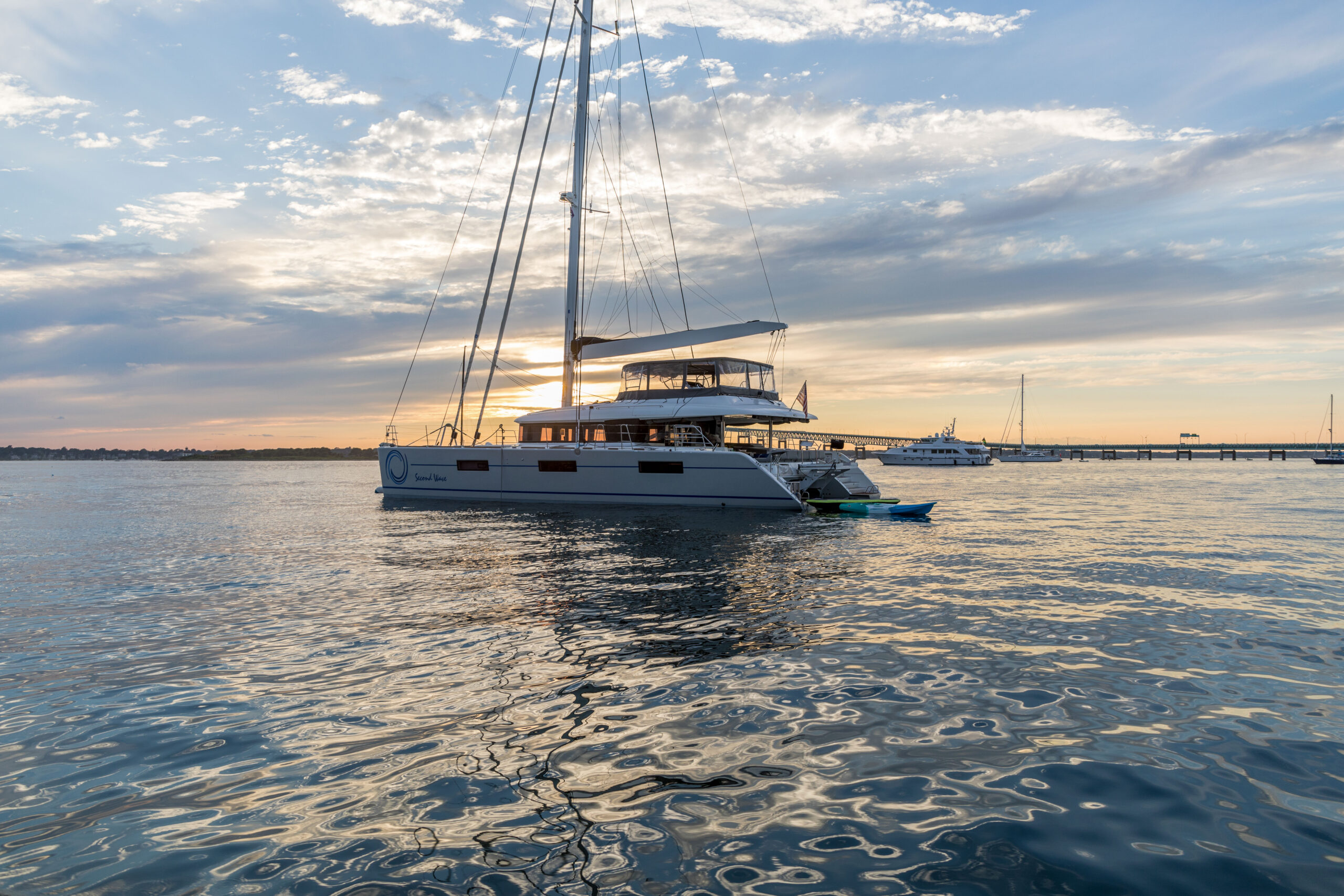

Being offshore is one of my favorite parts of being on a catamaran. I’ve been fortunate enough to have spent tens of thousands of miles offshore, including some trans-Atlantic sails.
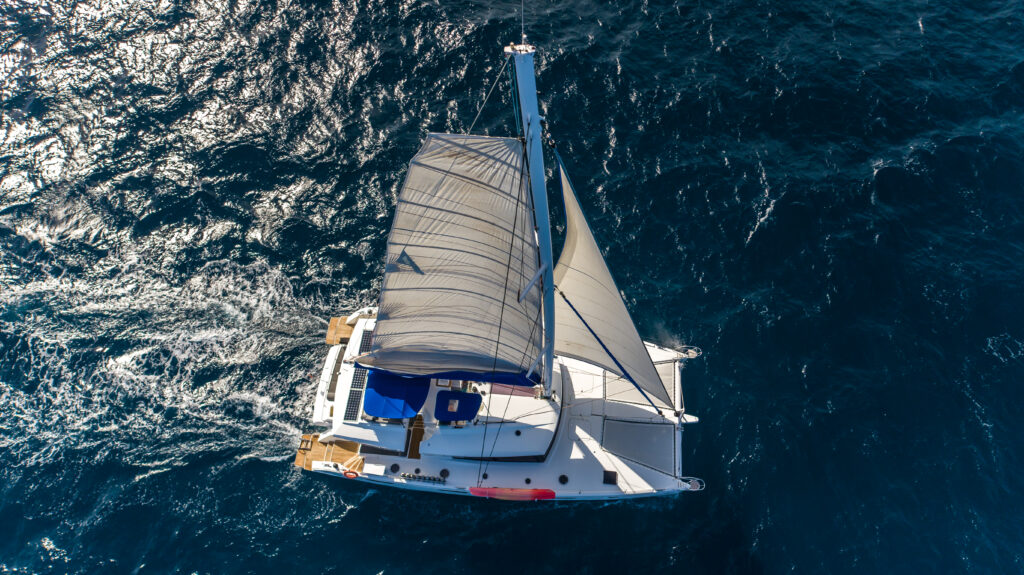
Part of preparing for any offshore passage is understanding the weather conditions that will not only impact the speed of the passage, but also the safety of the vessel and crew.
I have stories from my earlier days of working as a delivery captain where I just got the weather wrong. When one reads the weather wrong, or goes out in the wrong conditions, it can lead to anything from being uncomfortable, to seasick, to injury, or far worse.
The first thing I do when making an offshore passage, is visit the National Weather Center’s Marine Forecast by zone page. These text updates on the weather forecast are a great, quick reference point, on what to expect with the the overall conditions in a particular cruising area. I use this to help me establish a rough timeline for leaving the dock.
From there, I switch over to a couple of different websites that give me a more in-depth picture on an hour-by-hour basis.
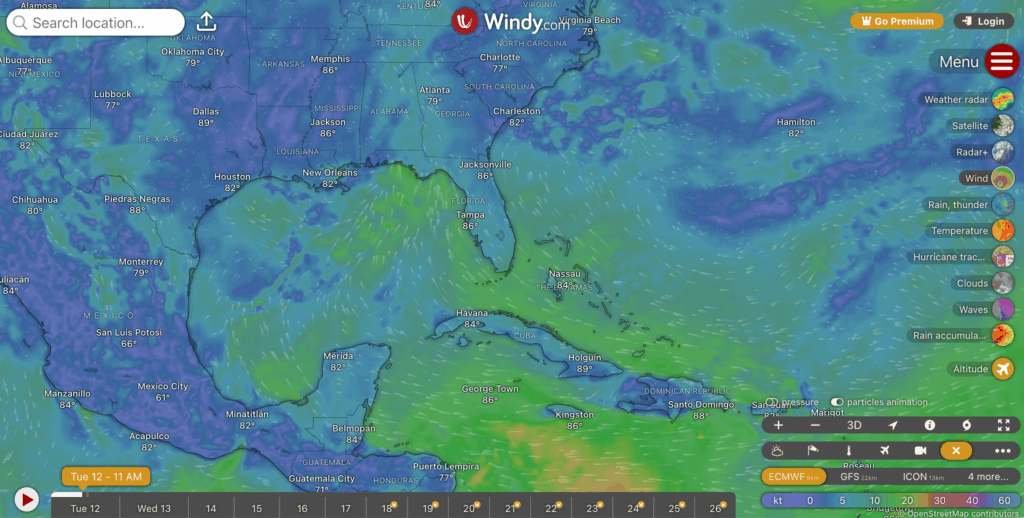
My next stop for a rough “animated” weather forecasting is usually Windy.com. Windy has several handy layers.
For instance, if I am planning on heading out on my power catamaran to fish for the day, I like to know where the western wall of the Gulf Stream is located and if there are any well-pronounced eddies in the Gulf Stream.
If I’m sailing from Florida to the Chesapeake Bay, knowing where the Gulf Stream is strongest can shave HOURS off of the passage (if not a day). It is also a great planning tool for estimating what conditions will be, as I progress on my passage.
One tool I still find useful—though it’s a bit old school—is the GRIB files on www.passageweather.com. I use this site to view atmospheric pressure on a macro level, which helps me better understand the larger weather patterns that may affect the forecasts I’ve reviewed elsewhere.
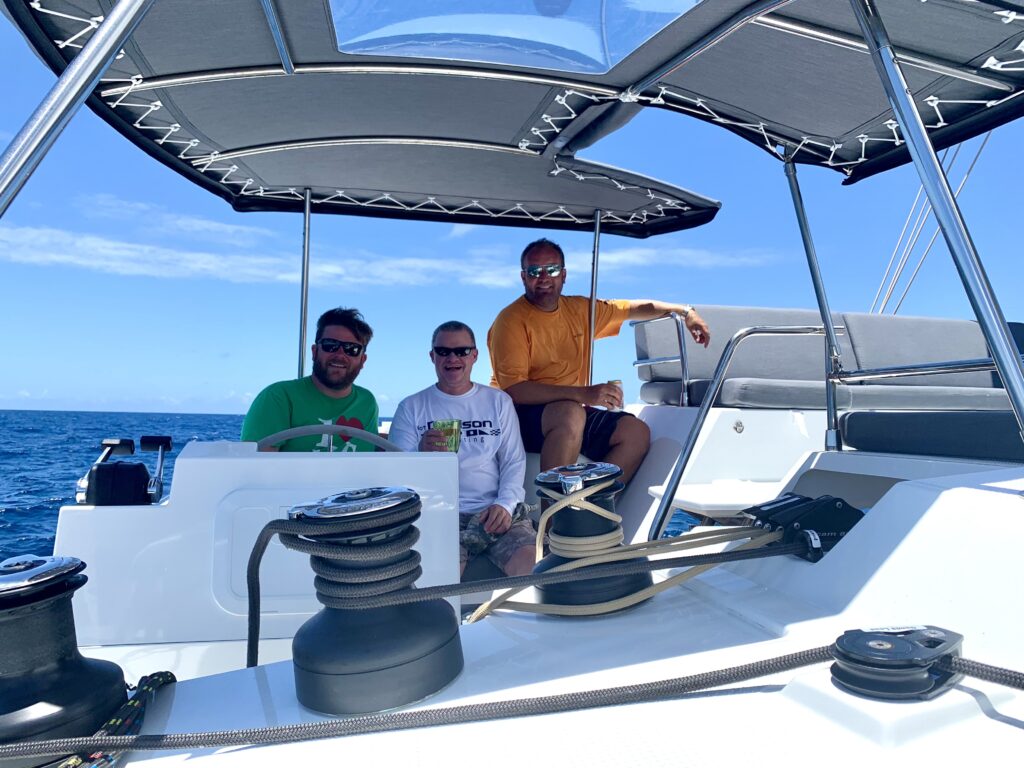
Reading weather is like any other skillset we need to learn in order to enjoy living, working, and exploring on a catamaran; the more you practice, the better you will become at it.
For questions on these tools, questions on having a successful offshore passage on your catamaran, or any other catamaran related questions, please feel free to reach out to Wiley directly.
Wiley@CatamaranCentral.com / 561.613.8985
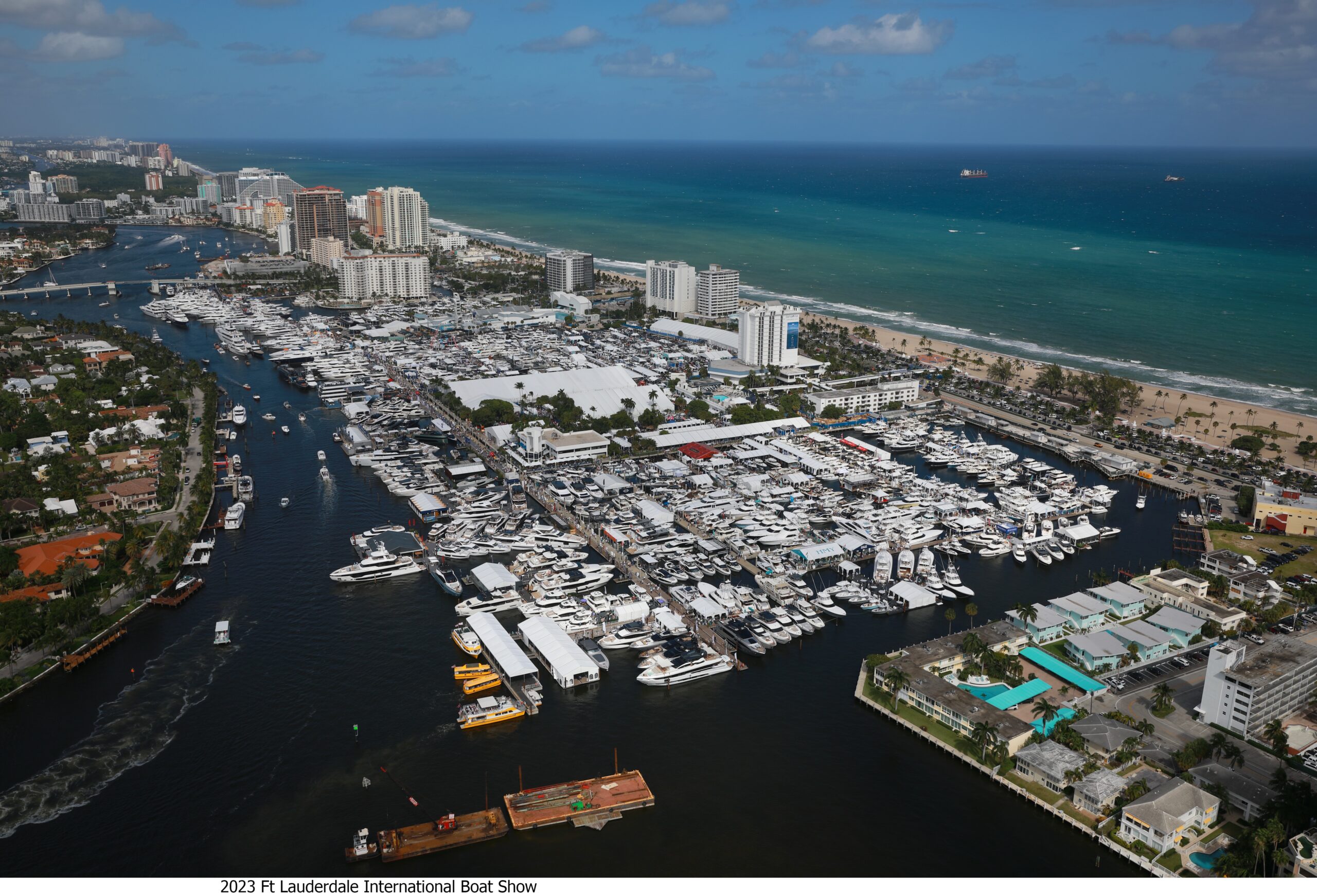
Protect Our Waterways While You Boat: Free Pumpout Stations Throughout Fort Lauderdale
As a catamaran cruiser, chances are you’ll eventually find yourself passing through Fort Lauderdale — often referred to as the “Venice of America” and ...
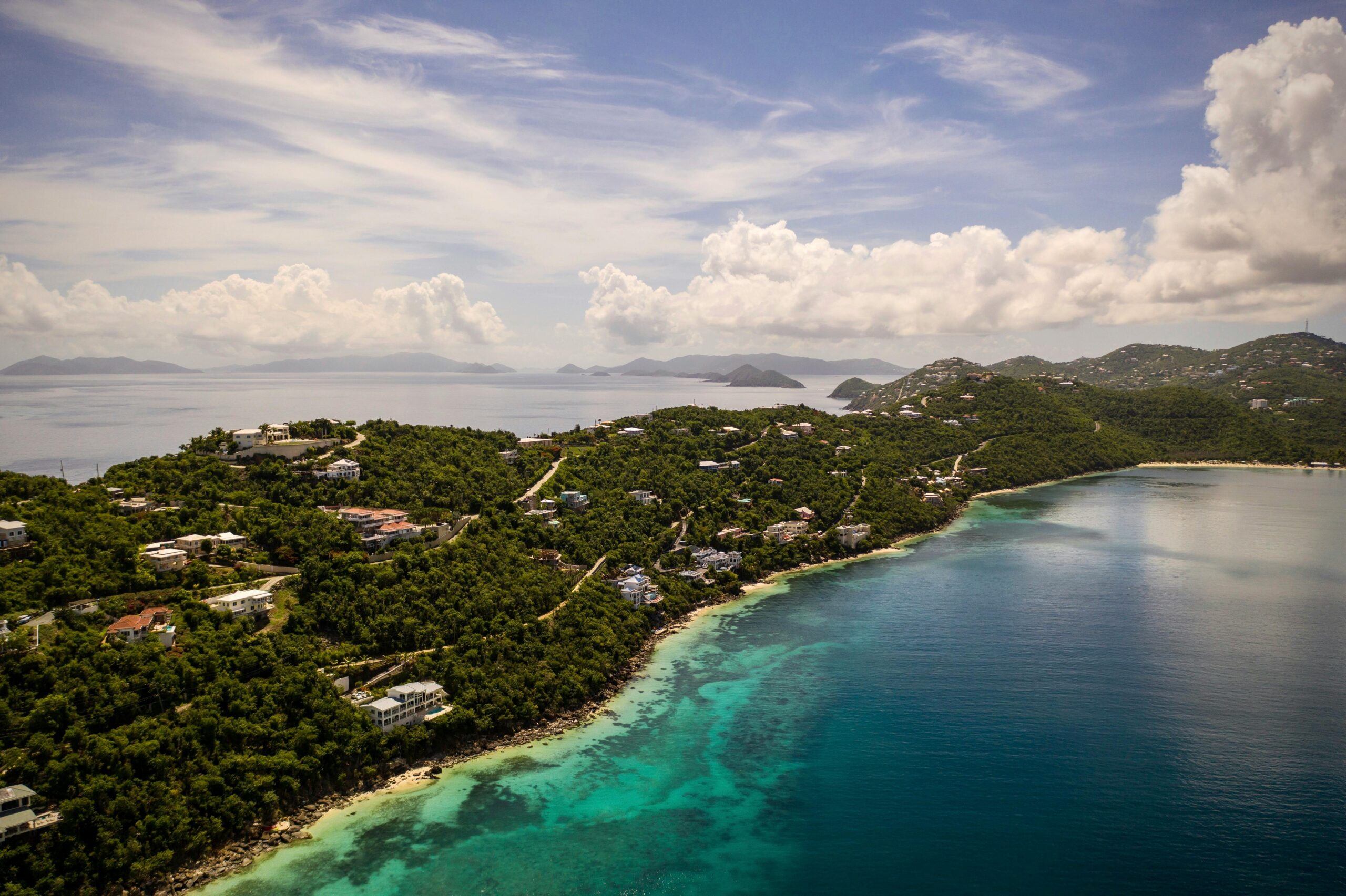
Skip the Crowds. Sail the Caribbean. Reimagine Spring Break 2027.
Spring Break deserves more than crowded resorts and overbooked beaches. Imagine trading winter’s gray skies for turquoise water, warm trade winds, and the ...
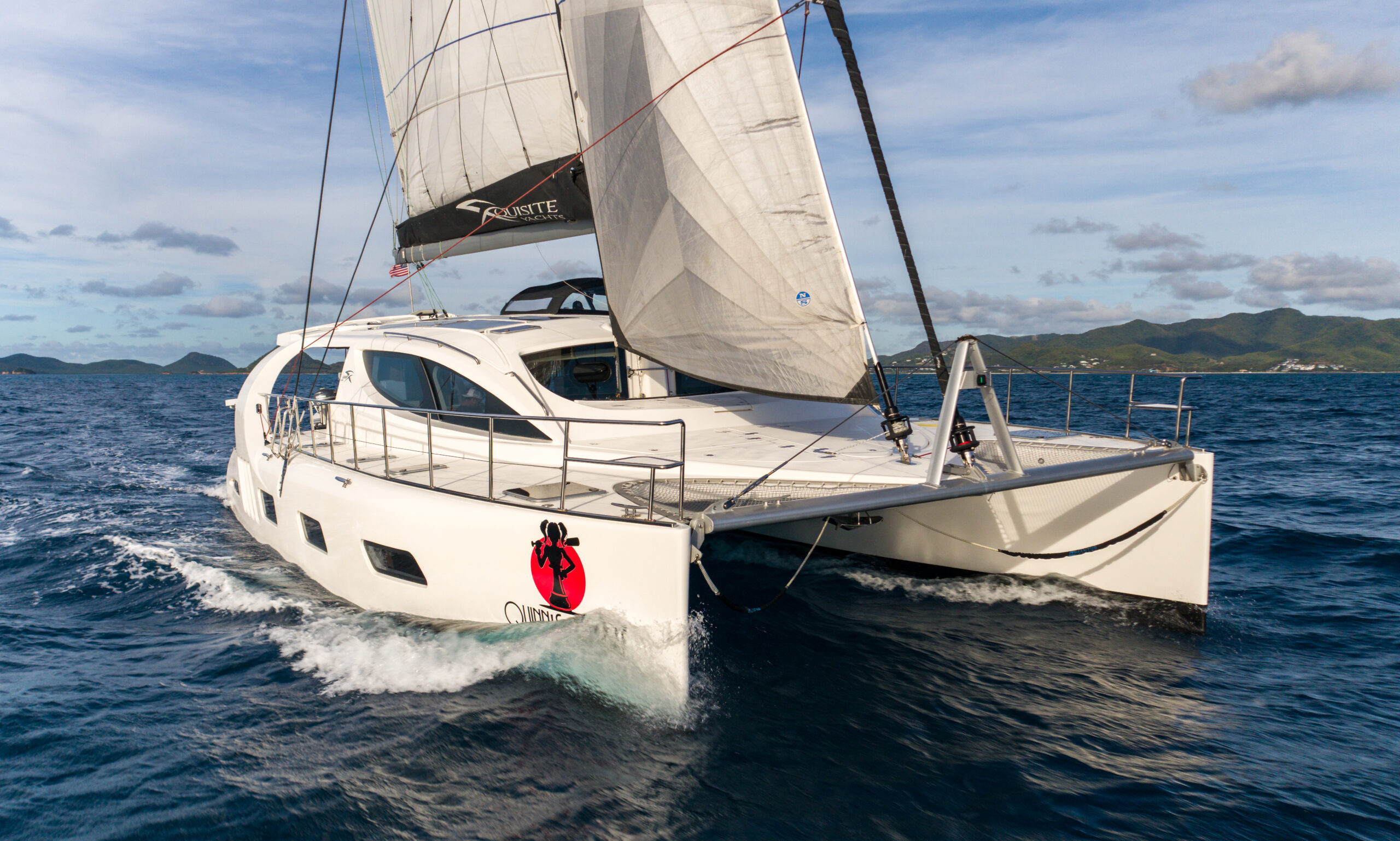
2020 Xquisite X5 Owner’s Version
...