Protect Our Waterways While You Boat: Free Pumpout Stations Throughout Fort Lauderdale
As a catamaran cruiser, chances are you’ll eventually find yourself passing through Fort Lauderdale — often referred to as the “Venice of America” and ...






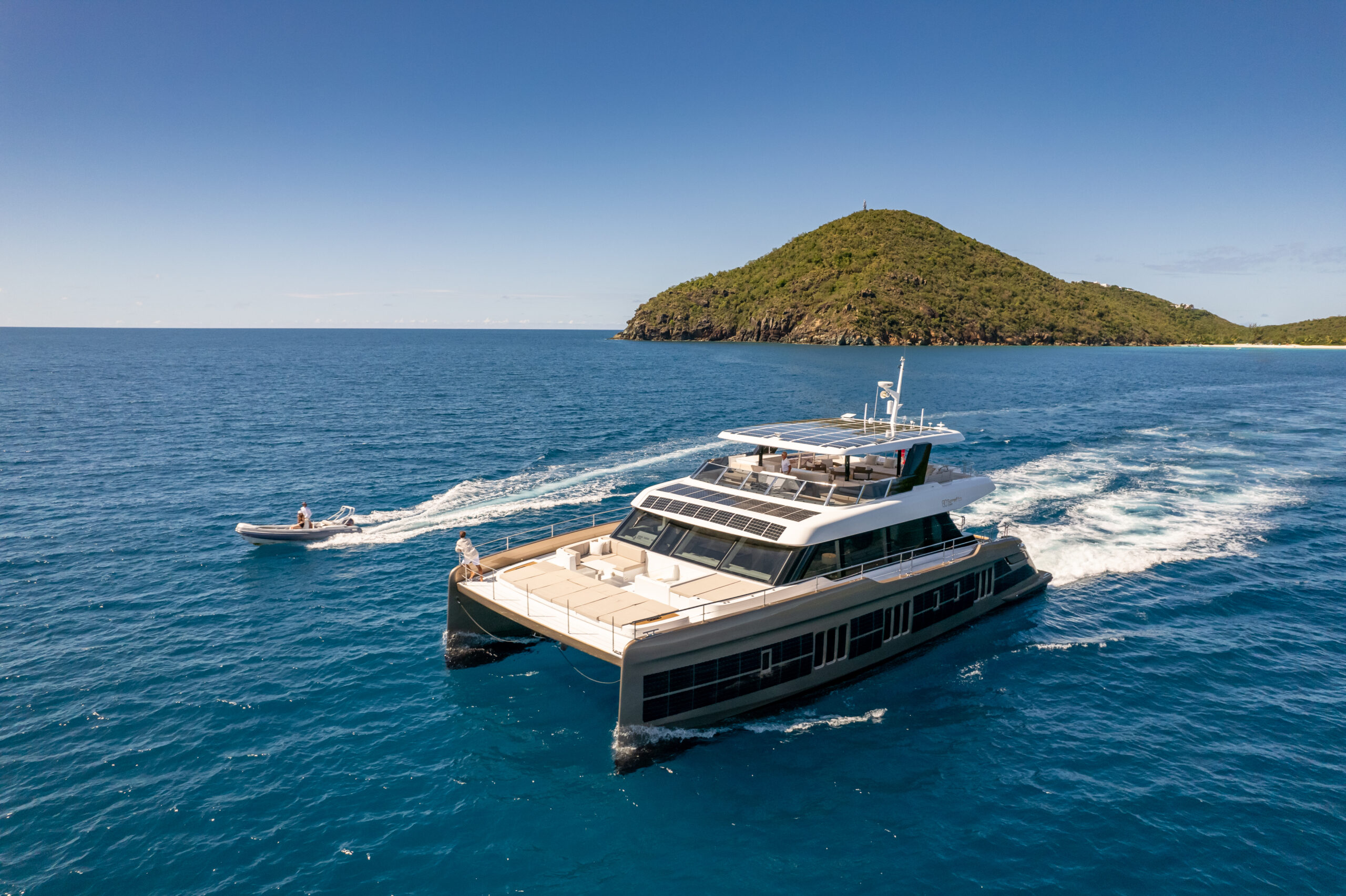

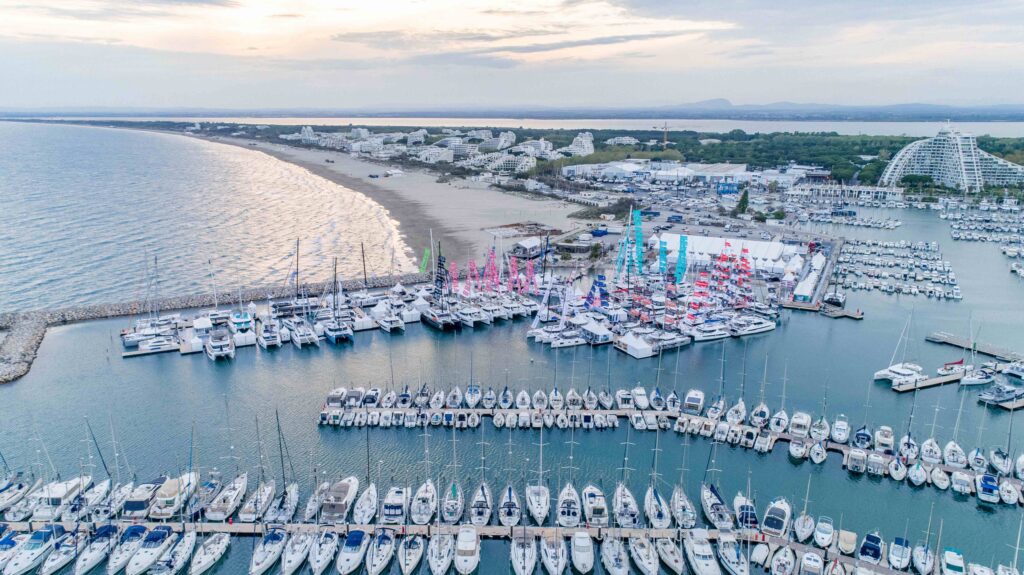
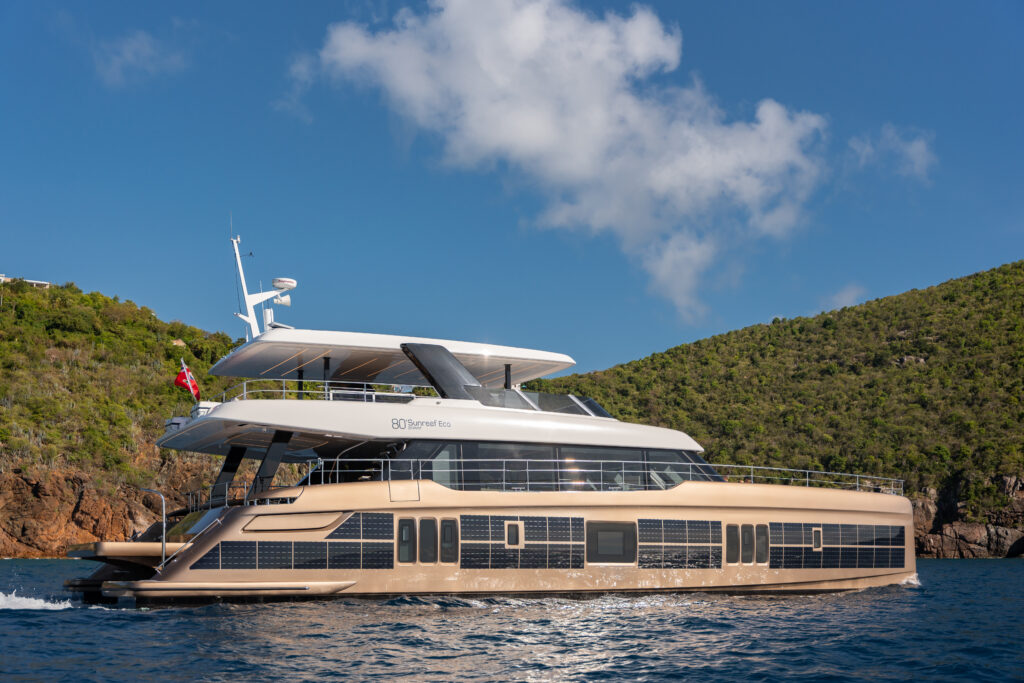
Walk the docks at almost any catamaran show now, and you’ll hear it within a few minutes: electric propulsion. Sometimes it’s a full battery-electric setup. Often, it’s a hybrid with a generator tucked away. Almost always paired with big lithium banks, glossy solar panels, and the promise of quiet, clean motoring.
And it’s not just marketing anymore. Electric propulsion really is becoming more popular in cruising catamarans—for good reasons. Cats have the space for batteries, the roof area for solar, and the kind of onboard electrical lifestyle (fridges, freezers, water makers, gadgets, autopilots, Starlinks, you name it) that makes modern energy systems feel like a central part of the boat rather than an accessory.
But here’s the reality that matters most if you’re planning to cruise: the technology is improving faster than the “cruising problem” is shrinking. For many sailors who want to roam far, linger off-grid, and have the ability to motor hard when conditions demand it, electric propulsion still isn’t the obvious, low-stress solution it can sound like on a showroom floor.
Why Electric Propulsion Is Gaining Ground in Catamarans
1) Cats are already “electric lifestyle” boats
Cruising catamarans tend to run bigger house systems than monohulls: multiple fridges, larger pumps, bigger watermakers, more ventilation, air conditioning. Owners are already thinking in terms of energy budgets, solar yields, battery capacity, and inverter size.
In that world, electrifying propulsion feels like a logical next step: instead of having “the engine system” and “the house system,” you start treating the entire boat as one integrated energy ecosystem.
2) Solar is easier to do well on a cat
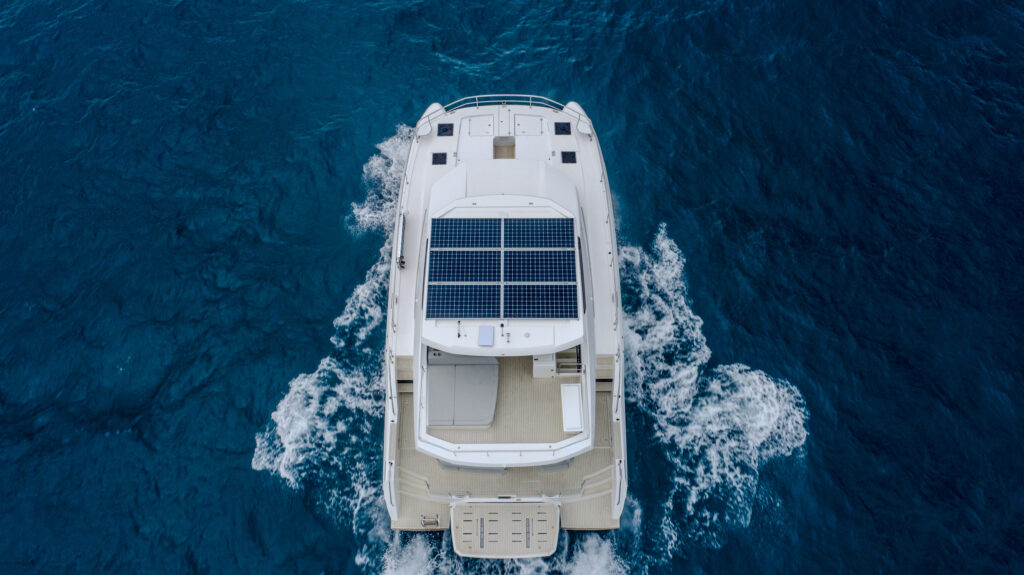
A catamaran’s hardtop and wide deck space make it comparatively easy to mount meaningful solar capacity without turning the boat into a jungle gym. That matters because solar is often the emotional core of the electric pitch: “Make your own energy, every day, quietly.”
For many coastal cruisers and liveaboards, solar can cover a large share of daily house loads. Add efficient electric motors for short transits, and you get a compelling story: less fuel, less noise, less maintenance, more autonomy.
3) Electric is genuinely great at low-speed boat handling
Electric motors deliver smooth, immediate torque at low RPM. On a twin-screw catamaran, that can feel like cheating:
If most of your motoring is short—leaving the anchorage, entering a harbor, maneuvering in tight spaces—electric propulsion can feel like a quality-of-life upgrade you’ll never want to give back.
4) Maintenance and “diesel drama” are real pain points
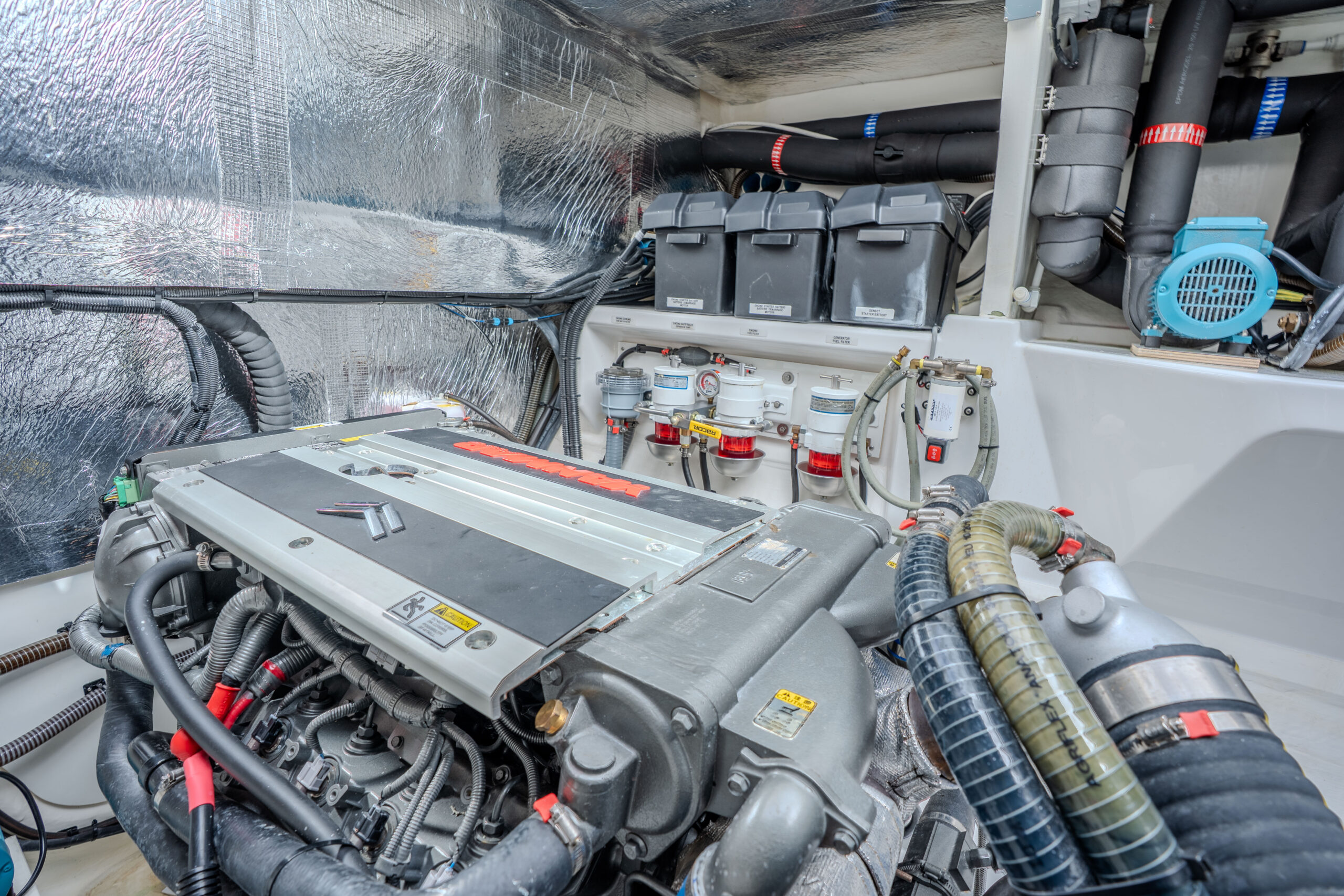
Traditional diesels are familiar and serviceable worldwide—but they come with the entire diesel ecosystem: oil changes, filters, impellers, belts, cooling issues, fuel quality problems, injectors, exhaust systems, and the occasional “why is the engine room wet?” mystery.
Electric motors themselves are comparatively simple. Owners are understandably attracted to fewer moving parts and a cleaner mechanical space.
Where Electric Propulsion Shines Today
It’s important to say clearly: electric propulsion isn’t “not ready.” It’s ready for specific use cases, and it can be fantastic when your cruising style matches what batteries and solar are good at.
Electric (or mostly electric) is at its best when:
In other words: electric can be amazing for weekending and day sailing with frequent charging opportunities, and the kind of sailing where motoring is a convenience—not a core capability.
Here’s the hard part: propulsion energy is a different beast than house energy. The jump from “running the boat” to “moving the boat” is enormous.
1) Batteries are still heavy, expensive fuel tanks
A diesel cat can carry a lot of energy in fuel without carrying a lot of weight. Batteries are the opposite: they’re heavy and adding more range means adding a lot more weight.
Weight matters on catamarans, which means, more weight can:
Some electric setups can turn into a tradeoff you feel every day: yes, the boat is quiet under power—but it may also be carrying a permanent “range tax” in mass.
2) “Motoring range” is not the same as “motoring in real conditions”
It’s one thing to motor on flat water at an efficient speed; it’s another to motor:
Cruisers don’t just motor when it’s calm, they motor when they need to. This often means higher power demand for longer, which drains batteries quickly.
And unlike diesel, where “more throttle” just burns more fuel, “more throttle” on electric, can turn a comfortable range number into a much smaller real-world number.
3) Charging infrastructure is the weak link offshore
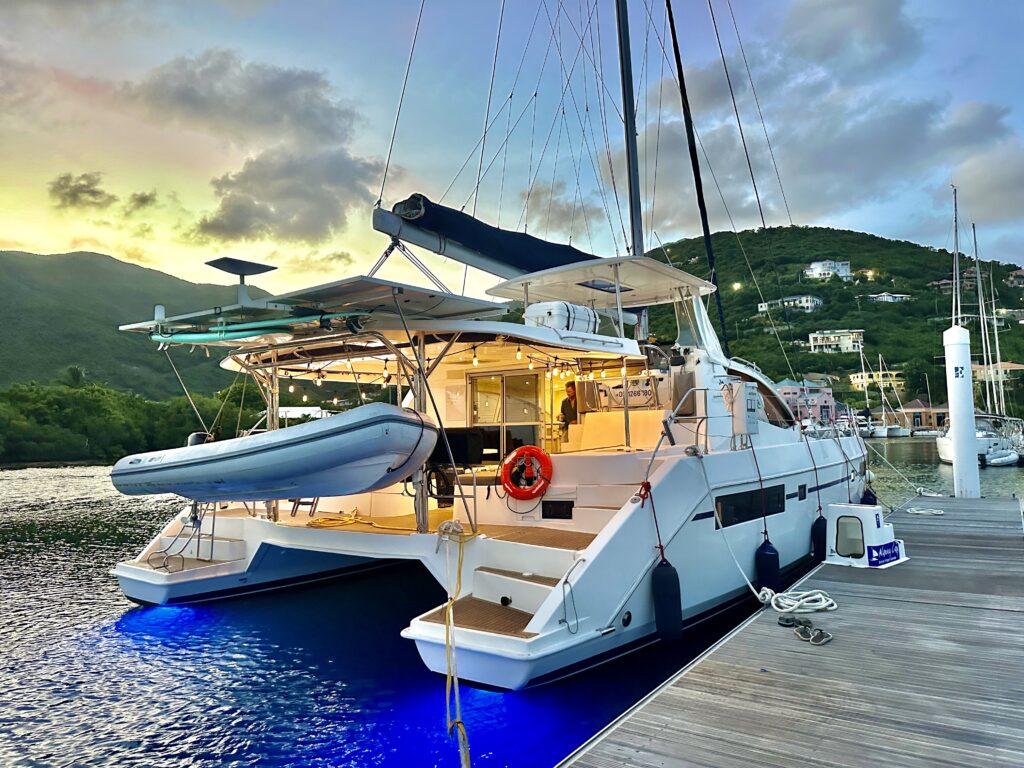
If your cruising plan includes remote islands, small towns, and anchorages far from modern marinas, you cannot assume:
Even in places with shore power, you may be looking at slow charging—fine for topping up house loads, less fine for replenishing propulsion energy after a long motor.
4) Regeneration under sail helps… but usually not as much as people hope
Some electric propulsion systems can regenerate power by freewheeling the prop under sail. It sounds like magic: “Sail and charge your batteries.” In practice, Regen is real, but it’s bounded:
Regen can be a nice bonus, especially for offsetting daily loads, but it’s rarely a full substitute for the ability to create large amounts of energy on demand.
5) Redundancy looks different—and can be more complex
Twin diesels are straightforward redundancy: if one fails, you limp with the other, and almost any port can help.
Electric redundancy often depends on architecture:
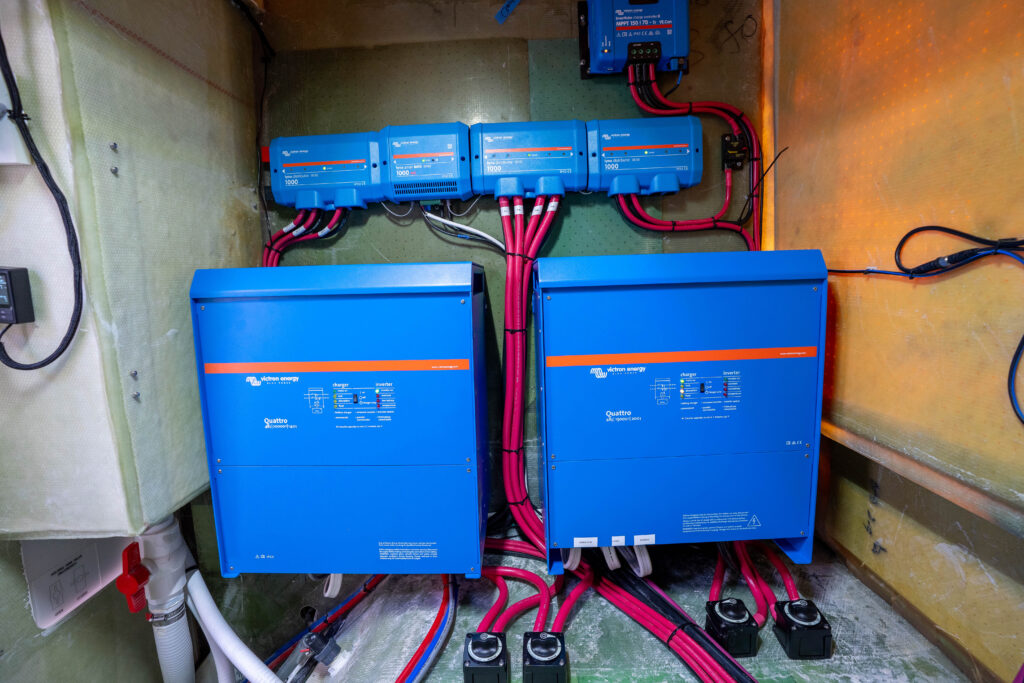
This isn’t inherently bad—some designs are excellent—but it raises the bar on system design, installation quality, and troubleshooting knowledge. Cruisers love simplicity not because they hate technology, but because they love being able to fix things at sea with the tools and spares they actually carry onboard.
6) Serviceability matters more than innovation when you’re far away
Diesel mechanics are everywhere. Parts may be expensive and availability varies, but the knowledge base exists globally.
High-voltage marine electric is growing, but it’s not yet universal. If you’re the kind of cruiser who ends up anchored near a fishing village for three weeks waiting on a part, “cutting edge” can feel less like the future and more like a logistics problem.
The Middle Path: Why Hybrids Are Often the Realistic Cruiser Choice (For Now)
Because cruising demands both comfort and capability, a lot of the practical momentum is in hybrid systems:
This approach can deliver many of the lifestyle benefits—quiet mornings, less diesel run time, cleaner power—without gambling your entire passage making plan on battery capacity and charging availability.
It’s not as “pure” as full electric, but most cruisers aren’t chasing purity. They’re chasing reliability, autonomy, and fewer bad days.
So… Is Electric Propulsion “Not There Yet”?
It depends on what “there” means. If “there” means:
If “there” means:
And that’s okay—because the trend is real, and the tech is genuinely improving. But your cruising plans should be built around today’s constraints, not tomorrow’s product roadmap.

A Quick Reality Check for Prospective Cruisers
If you’re considering electric or hybrid propulsion for a catamaran you plan to cruise, here are the questions that actually matter:
The Likely Near Future: What Will Move the Needle
A few developments could close the gap for cruisers over the next several years such as:
The direction is promising. But if your dream is to cross oceans, roam remote archipelagos, and motor hard when the sea says you must, it’s fair to treat electric propulsion as an evolving tool, not a universal replacement.
Bottom Line
Electric propulsion is becoming more popular in catamarans because it genuinely improves the experience of owning and operating a modern cruising boat—especially around marinas, anchorages, and shorter passages. Quiet, torque, clean energy integration, and reduced diesel reliance are real wins.
But for most sailors planning serious cruising, especially where charging is scarce and conditions can demand long, high-power motoring, electric propulsion is still a compromise—often a meaningful one.
Right now, the sweet spot for many cruisers is a well-designed hybrid system or a very honest full-electric plan that matches the actual itinerary: shorter legs, abundant sun, frequent shore power, and an acceptance that you may need to sail differently.
With that all being said, for myself and my family I would still go with a traditional diesel propulsion setup with solar, lithium, and charging to run the entire domestic side of the boat off of batteries and skip a generator.
Electric is clearly the direction the market is moving. Just don’t let the direction of the market replace the direction of your compass.
Questions on electric catamarans, electric technology, or even maybe what systems you should have on your boat for the best cruising experience. Please reach out to Wiley Sharp directly. Wiley@CatamaranCentral.com / 561.613.8985
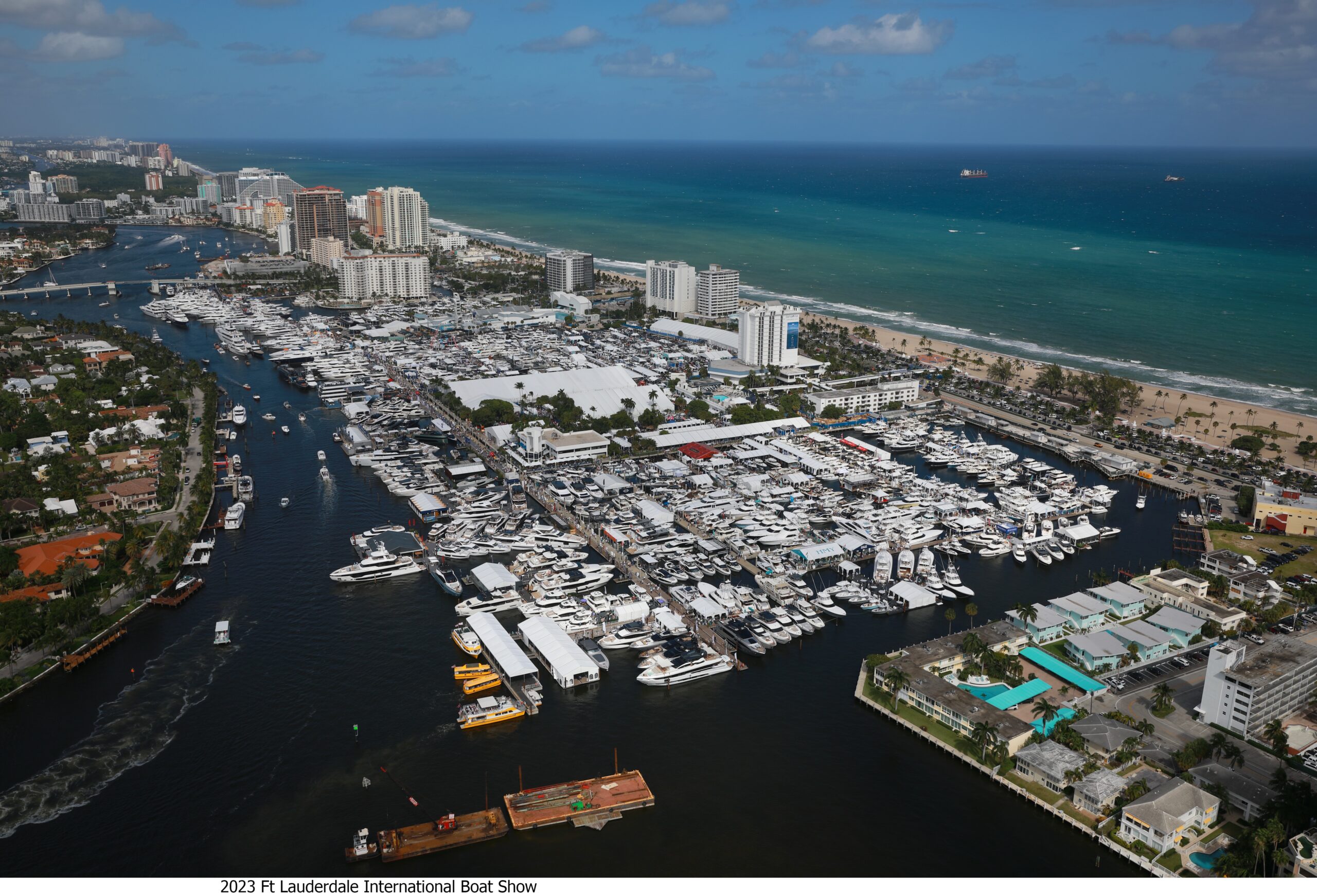
Protect Our Waterways While You Boat: Free Pumpout Stations Throughout Fort Lauderdale
As a catamaran cruiser, chances are you’ll eventually find yourself passing through Fort Lauderdale — often referred to as the “Venice of America” and ...

Skip the Crowds. Sail the Caribbean. Reimagine Spring Break 2027.
Spring Break deserves more than crowded resorts and overbooked beaches. Imagine trading winter’s gray skies for turquoise water, warm trade winds, and the ...
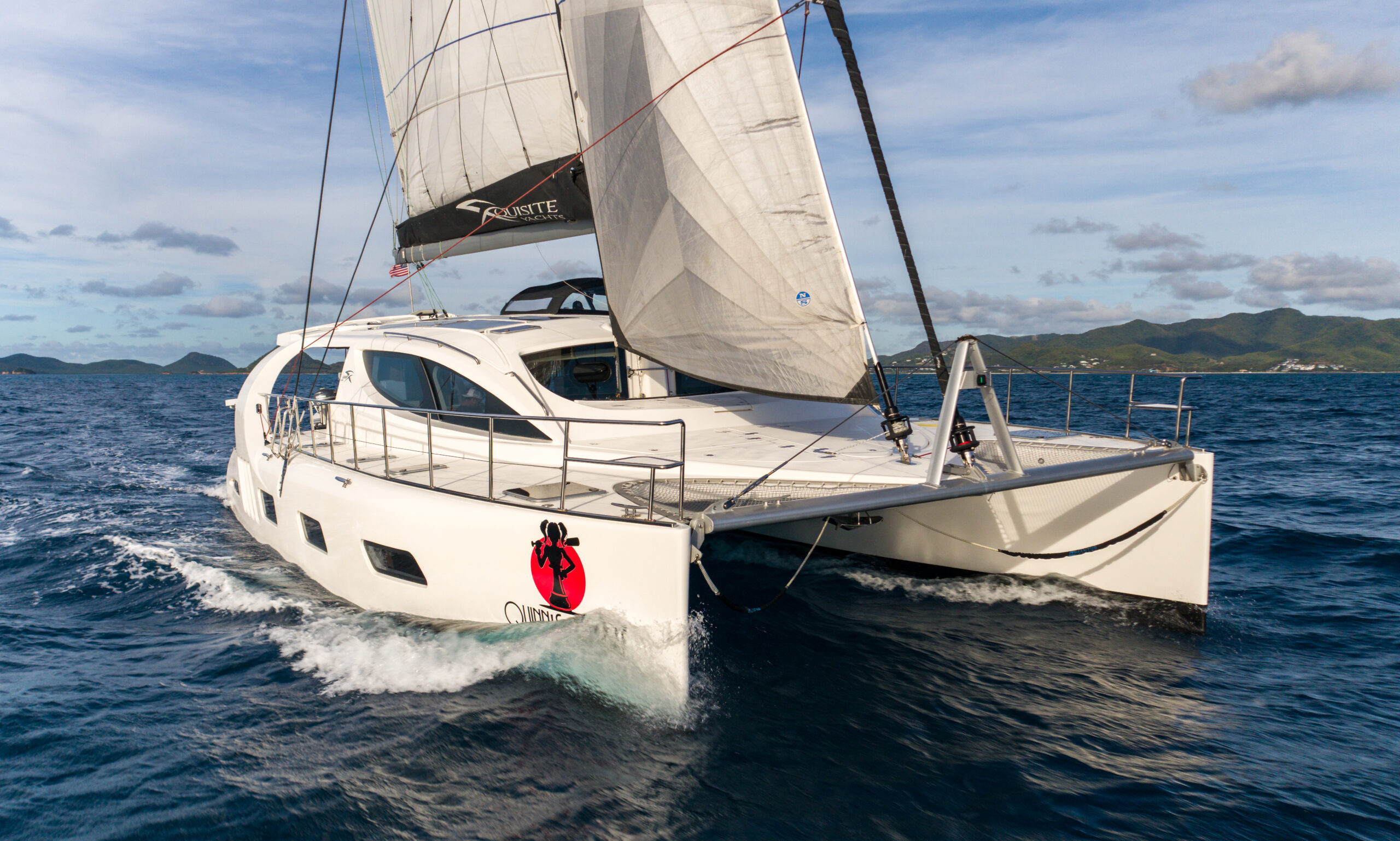
2020 Xquisite X5 Owner’s Version
...